


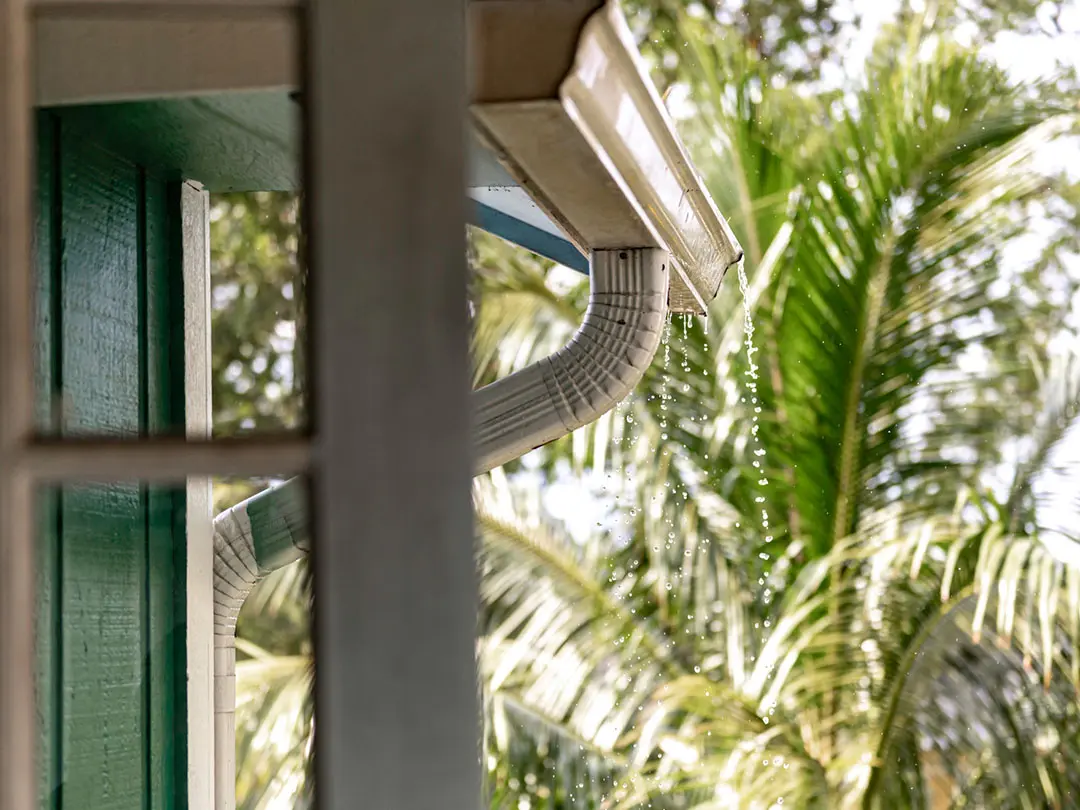
Homes in coastal regions face environmental conditions that differ significantly from those in inland areas. In Tampa Bay, exposure to humidity and salt air creates unique challenges for exterior building components. Constant exposure to moisture, airborne particles, and fluctuating weather patterns makes gutters particularly vulnerable. Understanding how these elements affect gutter systems helps homeowners make informed decisions about care, materials, and inspection schedules.
For properties that rely on gutter repair and consistent maintenance, awareness of coastal impacts is essential. Preventive attention reduces damage, protects roofing systems, and supports proper year-round water management.
The role of humidity in gutter performance
Coastal Florida is known for its high humidity. When it rains a lot, the air stays moist, which can accelerate wear on gutter materials. When metal parts get wet, they corrode, and over time, fasteners, seams, and joints can become weaker.
Humidity also makes it easier for organic matter to build up in gutters. Leaves, pollen, and other debris hold water, making the area ideal for mold and algae to grow. This buildup can block water flow, increasing the likelihood of overflow during heavy rain.
How salt air affects gutter materials
Salt air is another big thing that affects how long gutters last in coastal areas. Wind carries salt particles that settle on exterior surfaces, such as gutters. Salt speeds up corrosion when it comes into contact with water, especially in steel and lower-quality aluminum systems.
Damaged protective finishes can affect even painted or coated gutters. Over time, exposure to salt can lead to pitting, discoloration, and structural weakening. Regular cleaning helps remove salt residue before it causes permanent damage.
Common signs of coastal gutter damage
Homeowners can fix gutter problems before they get worse if they find them early. Rust spots, peeling paint, sagging sections, and visible separation at joints are all common warning signs. Water stains on siding or fascia boards could also mean that the drainage isn’t working right.
In coastal areas, these signs may show up sooner than you think. Regular visual checks after storms or during periods of high humidity help identify problems early and make repairs on time.
Importance of material selection
Picking the right materials is crucial for how long gutters will last. Seamless aluminum systems are often better in coastal areas because they don’t rust and have fewer joints. Protective coatings can make things even more durable by preventing moisture and salt from reaching them.
Brackets and fasteners should also not rust. Hardware made of stainless steel or coated steel offers extra protection and helps keep the system stable even when things get tough.
Maintenance practices for coastal homes
Regular cleaning is necessary for gutters exposed to salt air and humidity. Regular cleaning removes dirt that traps moisture and salt. Flushing gutters with water helps keep the flow going and stops buildup that could cause blockages.
Joints, downspouts, and attachment points should be the main focus of inspections. Addressing small problems right away can help prevent bigger structural issues. In coastal areas, maintenance schedules may need to be more frequent than in inland areas.
Professional inspections and repairs
Professional evaluations provide a more detailed picture of the condition of the gutters. Trained technicians can spot subtle signs of corrosion, alignment issues, and material fatigue. Professional service also makes sure that repairs are done safely and correctly.
Repairs done on time help keep the gutter system working well and protect nearby buildings. In coastal areas where environmental stressors are always present, professional advice is especially helpful.
Frequently asked questions about coastal gutter care
How often should gutters be cleaned in coastal areas?
In humid and coastal environments, gutters typically benefit from cleaning at least twice per year, with additional cleanings after major storms.
Does salt air affect all gutter materials equally?
No. Some materials resist corrosion better than others. Aluminum with protective coatings generally performs better than untreated steel.
Can humidity cause gutters to sag?
Yes. Moisture can weaken fasteners and fascia boards, leading to sagging if left unchecked.
Are seamless gutters better for coastal homes?
Seamless systems reduce joint exposure, helping limit corrosion and leaks in challenging environments.
Should coastal homes schedule more frequent inspections?
Yes. Regular inspections help detect early signs of damage caused by humidity and salt exposure.
Protecting your home from coastal wear
Humidity and salt air present ongoing challenges for gutter systems in coastal regions. Understanding these impacts allows homeowners to take proactive steps that preserve performance and appearance. In Tampa Bay, proper gutter maintenance and timely gutter repair help protect homes from water damage and material deterioration. For professional guidance and dependable service, visit MD Seamless Gutters.
Picture Credit: iStock