


Gutters play a central role in protecting a home from water damage, yet many homeowners overlook early warning signs of failure. Sagging gutters are among the most common issues we encounter, and they often indicate deeper structural concerns. As professionals experienced in gutter repair and gutter maintenance, we have seen how small problems can develop into larger repairs when left unaddressed. Understanding the causes behind sagging gutters helps homeowners take action early and protect their property through consistent gutter repair and gutter maintenance.
Common Causes of Sagging Gutters
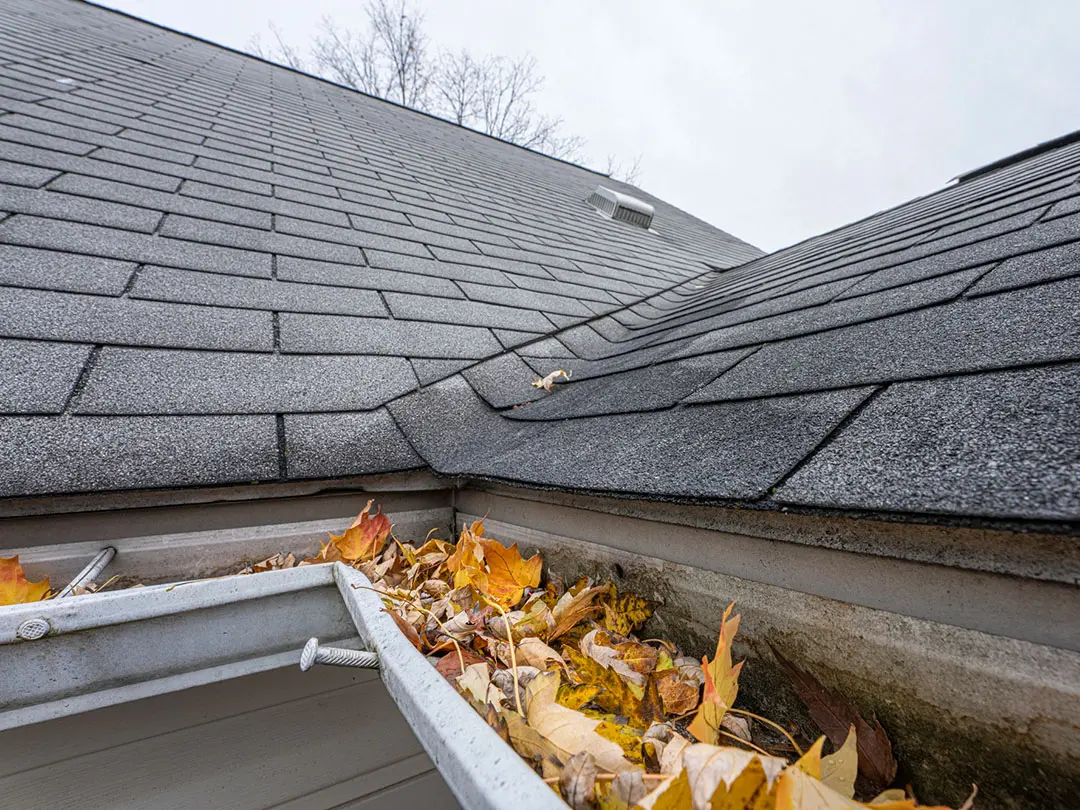
The main reasons gutters sag are their weight, lack of support, and age. One of the main reasons is that debris builds up. The gutter system wasn’t made to hold the extra weight of leaves, dirt, and standing water. This strain pulls the gutter away from the fascia over time.
Another common reason is hangers that are worn out or not spaced correctly. Brackets or hangers are what keep gutters securely attached. The gutter starts to sag between connection points when these supports come loose or break. The weather also has an effect. In older systems, heavy rain, storms, and seasonal changes can weaken materials and connections.
The Impact of Poor Installation
Even new gutter systems can sag if they aren’t installed correctly. Water may pool instead of flowing toward the downspouts if the gutters are not pitched properly. This extra weight makes things wear out faster and makes them more likely to sag. In some cases, the space between hangers is too large, making them less stable and allowing parts of the gutter to bend under pressure.
We often find that taking shortcuts during installation leads to performance problems in the system. A well-installed gutter system evenly distributes weight and maintains a consistent slope, preventing any one section from experiencing excessive stress.
How Water Damage Contributes to the Problem
Water can weaken the structure that supports the gutter system. Water can reach the fascia board and the surrounding wood if the gutters overflow or leak. This moisture causes wood to rot over time, which makes it harder for the structure to hold the gutter securely.
Even well-kept gutters can start to sag as the fascia gets worse. This is why fixing gutters often means doing more than just fixing the gutters themselves. To get things back to normal and stable, you need to fix the underlying structure.
Effective Ways to Fix Sagging Gutters
The first step in fixing sagging gutters is to determine the cause. Replacing or tightening hangers can often fix the alignment. Adding more support brackets can also make things more stable, especially in areas that carry heavier loads.
Cleaning the gutters thoroughly and then keeping up with regular maintenance can help stop future sagging when debris builds up. Repairs or a replacement may be necessary to ensure the gutter remains in place if the fascia board is broken.
Replacing system components might be the best course of action if the gutter material has warped or weakened. We look at each case on its own to find the best way to handle it.
Preventing Future Gutter Issues
Staying consistent is the key to prevention. Regular inspections help homeowners spot early signs of sagging before they get worse. Cleaning out the gutters makes them lighter and lets more water flow. Hanging things at the right distance and using secure attachment points also helps keep the structure strong.
We suggest that homeowners schedule regular gutter maintenance to ensure their systems work as they should. Taking care of the gutters before they break saves money on repairs and makes them last longer.
Residential Gutter Services
Our team offers dependable solutions that will keep your gutters working well, no matter the weather. We pay close attention to proper installation, thorough inspections, and repairs that work on both visible problems and their underlying causes. People who own homes in Brooksville, FL, can learn more about our services, such as gutter repair and maintenance, and explore ways to protect their property over the long term.
Frequently Asked Questions
What causes gutters to sag over time?
Gutters typically sag due to debris buildup, weakened hangers, improper installation, or water damage affecting the fascia board.
Can sagging gutters be repaired without replacement?
Yes, many cases can be resolved by tightening or replacing hangers and reinforcing support, depending on the system’s condition.
How often should gutter maintenance be performed?
Regular maintenance is recommended at least twice a year, with additional checks after heavy storms or seasonal changes.
Is gutter repair necessary if the sagging is minor?
Even minor sagging should be addressed early to prevent further damage and more costly repairs later.
Final Thoughts on Gutter Repair and Maintenance
Sagging gutters are often a sign that the system is under stress and requires attention. Through consistent gutter repair and gutter maintenance, homeowners can prevent water damage and maintain the integrity of their property. Addressing issues early allows for more efficient solutions and helps avoid more extensive repairs in the future.
Schedule Your Service Today
We are ready to help you restore and maintain your gutter system with dependable service and clear recommendations. Our team works with you to identify issues, provide effective solutions, and keep your home protected year-round. Contact us today to schedule your service and take the next step toward a stronger, more reliable gutter system.
Picture Credit: Depositphotos