


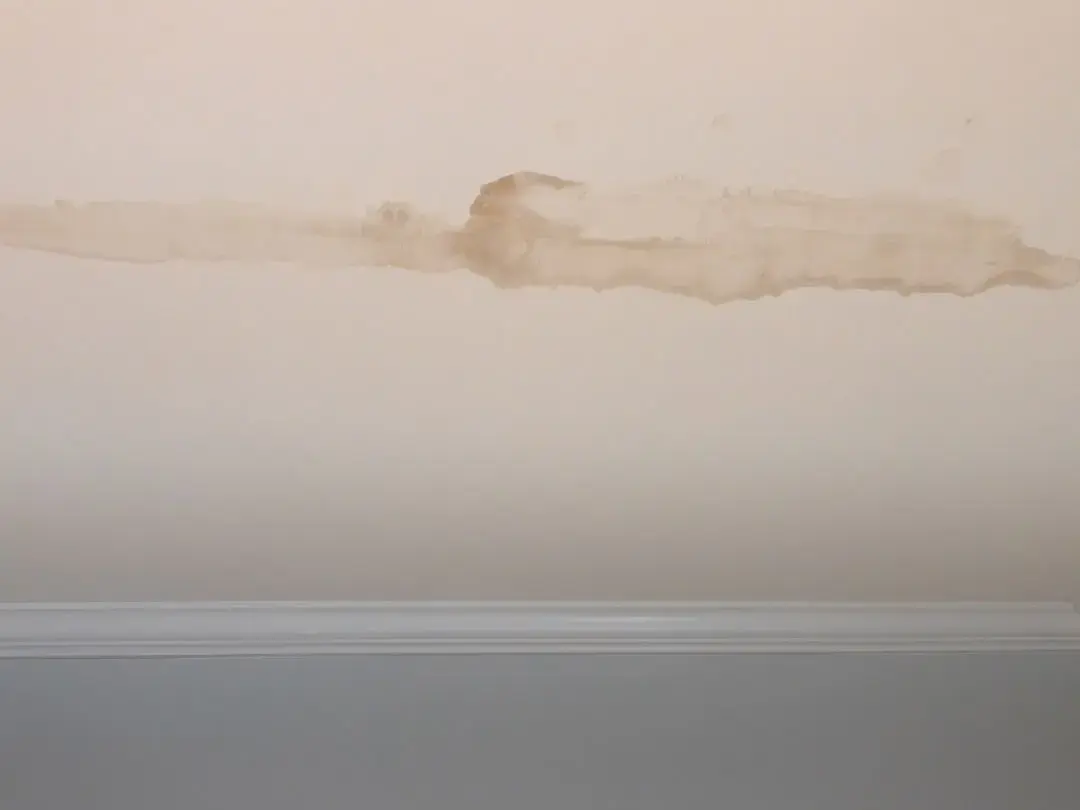
The gradual onset of water damage to a home from malfunctioning gutters can often go unnoticed until signs such as water stains, rotten wood, or other moisture-related damage become visible on the exterior of a home. Because of the area’s many seasons of rain, high humidity, and occasional severe weather events, maintaining your gutters effectively is key to protecting your home. Water that begins to collect near the foundation of a home or flows behind a gutter can cause significant damage to a home’s roof, fascia, siding, and walls quickly. Gutter repair is often needed to mitigate further damage.
Now that we are almost at the end of 2026, the season for heavy rainfall in Florida is coming to an end. Although it may be several months before we see another spell of sustained rain, we recommend that homeowners check for signs of moisture penetration and for problems with drainage, and, where necessary, trace and repair the source of any water entry, assess any affected materials, and make good any drainage problems before it is too late.
How Can You Recognize Gutter-Related Water Damage?
The telltale signs of a gutter-related water damage incident often start to reveal themselves on exterior surfaces. For example, peeling paint in a line along the roof eave, dark streaks on the fascia, and patches of discoloration on external walls could all indicate that water is escaping from your gutter system. Typically, this is as a result of gutters becoming blocked, detaching from their brackets, or failing to flow down into the downspout.
Moisture within a home appears as stains on ceilings, walls near windows, and outside corners of the home. These are often indicators of water entering the home. While gutters can cause such problems, the stains can also be the result of a roof leak, damaged flashing, a plumbing leak, or even condensation. Therefore, prior to repair, it is crucial to determine the true source of the moisture.
Why Does Water Damage Sometimes Remain Hidden?
Water can run behind siding, under roof covering, and along building frames before it becomes visible. By the time signs of moisture appear, it can be difficult to establish where it entered the building. A stain appearing several feet down from the roofline could indicate a problem with a gutter, possibly an incorrectly fitted drip edge or deteriorating flashing.
Examining the roof perimeter, gutter attachment points, and exterior building envelope surfaces simultaneously can provide differentiation between isolated gutter problems and other building envelope issues requiring separate expertise.
What Should Homeowners Do Immediately After Discovering Water Damage?
Try to prevent any further water from entering the house and protect the affected area. Take pictures of any visible damage and keep a record of when the problem occurs. Look for any obvious blockages in ground-level drainage areas that you can access. If water has entered a room that contains electrical outlets, switches, etc., do not enter the affected room until you have verified that it is safe to do so with a qualified person.
Water entering occupied spaces requires prompt attention because damp building materials can support microbial growth. The Environmental Protection Agency generally recommends drying wet materials within 24 to 48 hours when possible to reduce the likelihood of mold development.
Should You Clean or Repair the Gutters Yourself?
Typical minor maintenance, such as clearing leaves or debris from downspout outlets located near ground level, can be done by homeowners. However, general roof maintenance involving the use of ladders, climbing up onto roofs, crossing roof edges, etc., as well as maintenance work in wet weather, poses an undue risk of serious injury or even death.
We recommend professional evaluation if your gutters have pulled away from the fascia, water is entering your structure, or many sections of your gutter are deteriorating. Applying sealant to unknown defects can create temporary patches that hide the root cause of problems as opposed to fixing them.
How Do Damaged Gutters Affect Fascia, Soffit, and Roofing Materials?
A gutter system is designed to collect water runoff from a roof and channel it to downspout outlets. Water that overflows from a gutter will continue to run down the fascia, soffit, and roof surfaces until it evaporates or is otherwise diverted.
Wood fascia needs special care in terms of prolonged exposure to moisture. Painted wood can flake, become warped, rot, and even have the fasteners holding it pull loose as the wood deteriorates. Ultimately, deteriorating wood supporting a gutter system can be enough to cause the whole system to fail.
Soffit damage can create additional concerns by allowing moisture to reach concealed roof components. Depending on the extent of deterioration, correcting the problem may require fascia replacement, soffit repairs, gutter realignment, or installation of new materials.
Before reattaching your gutters or replacing them entirely, repair any damaged surfaces that will be used to support them. Installing new gutters to deteriorating fascia will negatively affect the installation’s quality and lifespan.
Why Can Poor Drainage Cause Damage Beyond the Roofline?
Excessive water discharged by downspouts from gutters can cause problems with the ground around your home. The water in saturated soil around your home’s foundation can cause erosion, settling damage, and moisture problems. Repeatedly running water through your landscaping can erode plantings and tear up yard surfaces. It can also cause soil under patios, walkways, and other surfaces to shift or cave in.
Just because a gutter system may be functioning properly at the roofline does not necessarily mean that it is functioning properly at ground level. How water flows after it exits from the downspouts is very important. This may include the use of underground drainage pipes and/or properly located outlets, as well as trying to alter the landscape grading to allow water to flow away naturally from buildings and structures when surface water does not flow away naturally.
When Should Additional Drainage Improvements Be Considered?
Persistent puddles, soil erosion, and damp patches against external walls could indicate that your current drainage is not working properly. While replacing your gutters may solve one problem, it won’t solve the underlying one.
Evaluate the entire water management system for this property, including the location of downspouts, the capacity of the drains, the type of soil, and the best locations to discharge water. Any improvements to drainage must comply with local requirements and not discharge to adjacent properties.
When Is Gutter Repair More Practical Than Replacement?
Not every damaged gutter system needs to be completely replaced. Small leaks, loose hangers, or slight misalignment can be fixed if the surrounding gutters and downspouts are in good condition. It’s also possible to repair relatively new gutters that have been damaged by a single fallen branch or other random occurrence.
Replacement becomes more practical when corrosion, recurring leaks, extensive deformation, or repeated fastening failures affect several sections. Older sectional gutters may develop problems at multiple joints, making continued repairs increasingly inefficient.
Seamless aluminum gutters are available as an alternative with fewer joints on straight sections of gutter. However, to prevent problems, gutter size, attachment, and downspout location must all be correctly chosen.
How Can Homeowners Prevent Recurring Water Damage in 2026?
Home maintenance should be customized to the surroundings of the property; not every home receives the same treatment. A home under mature trees may need more frequent cleaning of debris, such as leaves, pine needles, and seed pods that fall along the roofline.
We recommend inspecting your gutters after severe weather and every now and then, looking for standing water, loose hangers, and deteriorating sealant. Gutter guards can keep out some of the larger debris, but no gutter guard eliminates the need for regular inspection and cleaning of your gutters.
As November 2026 progresses, the approaching end of Atlantic hurricane season provides an opportunity to review exterior drainage conditions before the next rainy season. Addressing problems during relatively dry weather can also make inspections and scheduled repairs more manageable.
Frequently Asked Questions
How Can I Tell Whether My Gutters Are Causing Water Damage?
Staining beneath the roofline, deteriorating fascia, overflowing gutters, and water accumulating near the foundation of a property are all common signs of a possible problem. However, similar problems with leaks from the roof and other moisture issues can cause similar problems, and it is wise to obtain a competent inspection report prior to carrying out any work.
How Often Should Homeowners Schedule Gutter Maintenance in Tampa, FL?
Residential gutters and downspouts should be inspected at least twice a year. Following severe weather, or when gutters are clogged with heavy debris, additional inspection is warranted. Homes located near mature trees typically require more frequent maintenance to prevent clogged drainage and water overflow.
Can Gutter Repair Prevent Foundation Damage?
Making timely repairs will help limit the amount of roof runoff that flows into soil adjacent to the foundation. However, if there is existing foundation damage or signs of persistent moisture problems, additional drainage work and evaluation by an appropriate specialist may be required.
Are Seamless Gutters Better for Preventing Water Leaks?
Seamless gutters have fewer joints than a typical sectional gutter system, thus fewer places for leaks to occur. The effectiveness of seamless gutters depends on proper installation, alignment, capacity to handle water, and routine maintenance. It is best to select a gutter system based on the home’s roof design and required drainage.
Protect Your Home Before Water Damage Becomes More Expensive
Water damage rarely improves without correcting its source. Whether the problem involves overflowing gutters, deteriorating fascia, or inadequate drainage, early action can help prevent additional repairs and protect the property’s condition. For homeowners seeking gutter maintenance and gutter repair in Tampa, FL, we provide professional residential gutter installation, soffit and fascia services, and drainage solutions designed around individual property needs. At MD Seamless Gutters, we help homeowners identify gutter-related problems and determine practical solutions for protecting their homes. Contact us today at (813) 996-7151 to discuss your concerns, request an estimate, and take the next step toward dependable rainwater management.
Picture Credit: iStock